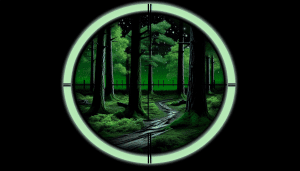
When the sun sets and darkness engulfs the surroundings, night vision technology serves as an invaluable tool for enabling us to see in low-light conditions. From military operations to wildlife observation and even home security, understanding how night vision works is key to appreciating its essential role. This comprehensive guide will delve into the inner workings of night vision technology, shedding light on its fascinating mechanisms.
At its core, night vision technology aims to amplify the available light and make it visible to the human eye. While our eyes have limited sensitivity in darkness due to the lack of light, night vision devices employ various methods to intensify existing light sources. The most common method utilized is called image intensification. This process involves capturing the scant available light, such as moonlight or starlight, through a specialized lens known as an objective lens.
Upon entering the night vision system, the captured light passes through a photocathode tube. Within this tube, the photons of light are converted into electrons. These electrons are then accelerated and passed through a microchannel plate (MCP). Here, each electron sets off a cascade of secondary electrons, which greatly multiplies the original number of electrons. This process intensifies the light further, producing a much brighter image.
Finally, the intensified electrons strike a phosphor screen, similar to those found in traditional CRT televisions. The phosphor screen emits a greenish hue when electrons from the MCP strike its surface, resulting in a visual representation of the intensification process. This green coloration is adopted because our eyes are most sensitive to shades of green, allowing us to perceive the images more clearly. A series of lenses and eyepieces then channel the intensified image to our eyes, allowing us to witness a much brighter and clearer picture in the darkness than would be possible without night vision technology.
Types of Night Vision Devices: From Binoculars to Goggles
When it comes to night vision technology, there are several different types of devices available to enhance visibility in low-light conditions. Whether you're an outdoor enthusiast, a military professional, or someone who simply wants to explore the night world, understanding the different types of night vision devices can help you make an informed decision on which one suits your needs best.
1. Night Vision Binoculars
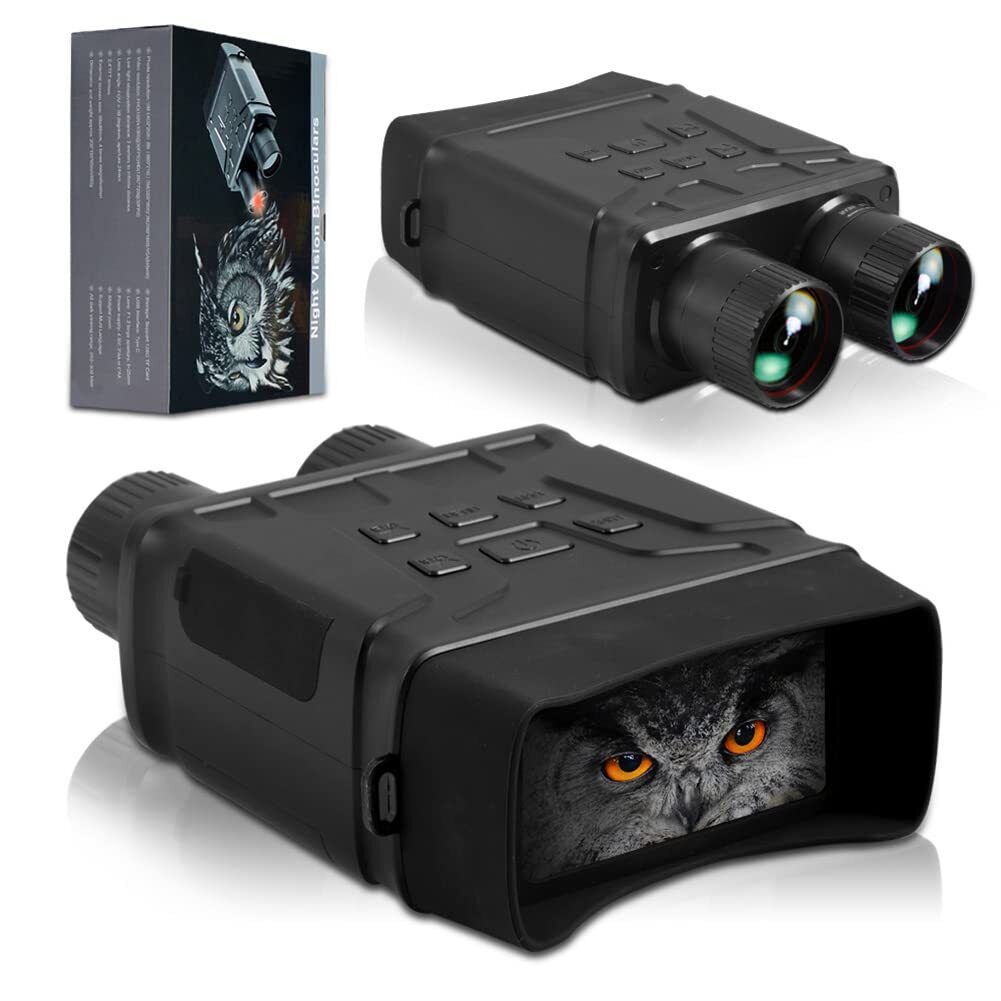
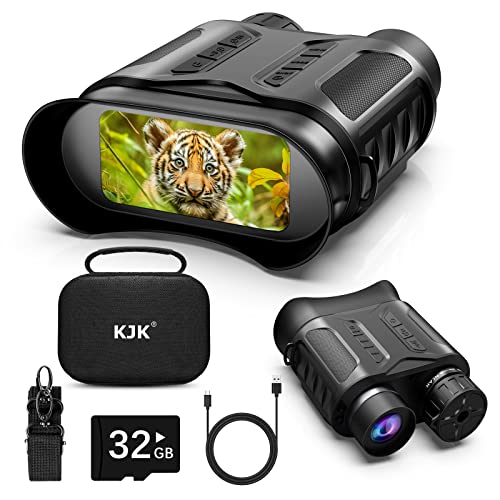
Binoculars are a popular choice for night vision because they offer magnification and depth perception. Night vision binoculars use image intensifier tubes that amplify the available light and produce a clearer image. They are ideal for activities such as wildlife observation, hunting, and navigation in the dark. Binoculars provide a wider field of view compared to other night vision devices.
2. Night Vision Goggles
Night vision goggles, also known as NVGs, are worn on the head and provide a hands-free viewing experience. They typically come with a single eye display or a dual-eye display, allowing the user to see in the dark without needing to hold anything. Night vision goggles are commonly used by the military and law enforcement for surveillance, navigation, and target acquisition. Their lightweight and compact design make them suitable for extended use.
3. Night Vision Scopes
Night vision scopes are similar to binoculars but are designed to be mounted on firearms. They offer improved accuracy and are commonly used for nighttime hunting or tactical operations. Night vision scopes can be equipped with added features such as reticles, range finders, and illuminators, enhancing targeting capabilities even in complete darkness.
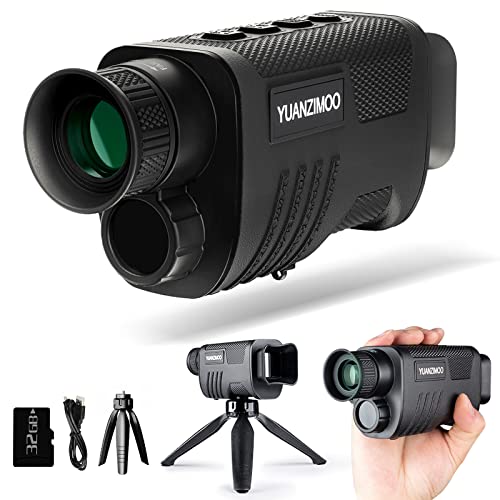
These are just a few examples of night vision devices available in the market. Other popular options include night vision monoculars, thermal imaging cameras, and even smartphone attachments. Whatever your specific needs may be, exploring the different types of night vision devices will allow you to navigate the darkness with ease and unlock a whole new world of nocturnal exploration.
Night Vision vs. Thermal Imaging: Spotting the Differences
When it comes to night vision technology, there are two commonly used methods: night vision and thermal imaging. While both these technologies enable visibility in low-light conditions, they operate on different principles and offer unique advantages. Let's explore the key differences between night vision and thermal imaging:
Night Vision:
Night vision relies on the amplification of existing visible light to enhance visibility in dark environments. It works by using an image intensifier tube that gathers whatever ambient light is available, such as moonlight or starlight, and magnifies it. This amplified light is then projected onto a phosphor screen, generating a monochromatic green image that our eyes can perceive. Night vision devices often come in the form of goggles, scopes, or cameras.
Thermal Imaging:
Thermal imaging, on the other hand, detects and captures the heat emitted by objects and converts it into a visible image. It relies on the principle that all objects with a temperature above absolute zero emit infrared radiation. Thermal cameras or sensors detect this radiation and convert it into a color-coded image based on the temperature variations. The resulting image allows users to distinguish objects and living beings based on the heat they radiate, irrespective of the amount of ambient light.
Distinguishing Features:
Unlocking the Potential: Night Vision Applications and Limitations
Night Vision Applications
Night vision technology has revolutionized various fields, enabling us to perceive the world in complete darkness. Its applications span across multiple industries, providing valuable insights and enhancing safety in environments where human vision alone falls short. One major application of night vision is in military operations. Night vision goggles, equipped with image intensifier tubes, help ensure the safety and efficacy of military personnel during nighttime maneuvers and covert missions by enhancing their visibility in low-light conditions.
Furthermore, law enforcement agencies heavily rely on night vision technology to combat crime effectively. By utilizing thermal imaging cameras, police officers can track suspects in the dark, navigate through hazardous areas, and maintain situational awareness during critical operations. Night vision is also used extensively in the wildlife conservation and research sectors. Biologists and ecologists can monitor nocturnal animals without disturbing their natural behavior, helping them study and protect endangered species.
Limitations of Night Vision
While night vision technology offers incredible capabilities, it does have certain limitations. The most significant limitation is its susceptibility to extreme environmental conditions. Adverse weather, such as heavy rain or dense fog, can significantly hinder the effectiveness of night vision devices. Additionally, bright lights, like headlights and street lamps, can cause temporary blindness or glare, impairing the efficiency of night vision cameras.
Another limitation is the level of detail provided by night vision devices. Although they offer improved visibility in low-light conditions, there is a trade-off in terms of image quality. Night vision images tend to lack the crispness and sharpness of daytime vision. This limitation is especially relevant in scenarios where precise identification of objects or individuals is crucial, such as forensic investigations or border security.
Furthermore, the cost of night vision technology can be a constraint for wider adoption. High-quality night vision goggles and cameras can be expensive, limiting accessibility for smaller organizations or individuals. Nevertheless, continuous research and advancements in technology aim to address these limitations, making night vision technology more affordable and efficient for various applications.