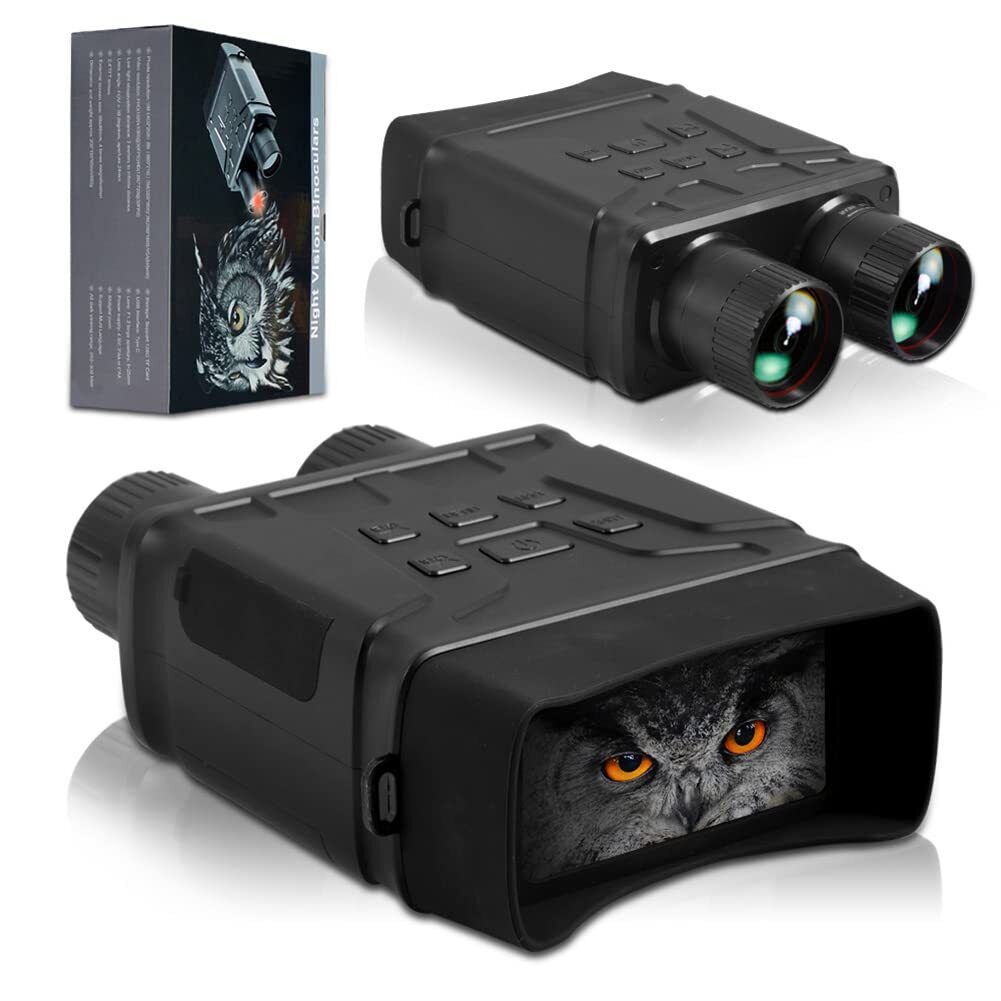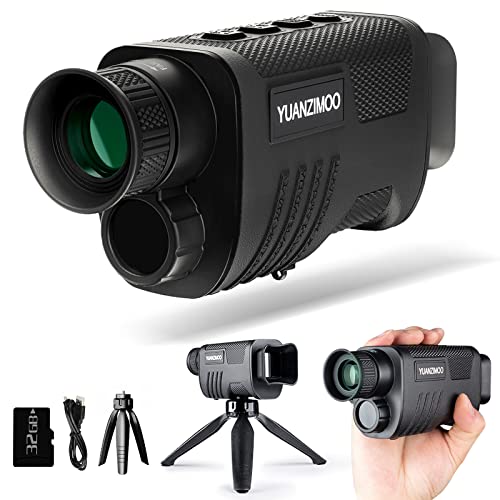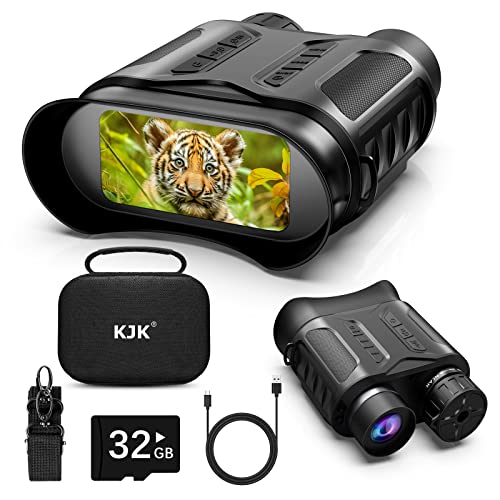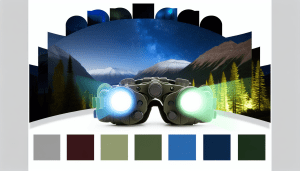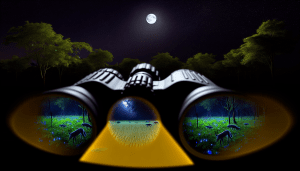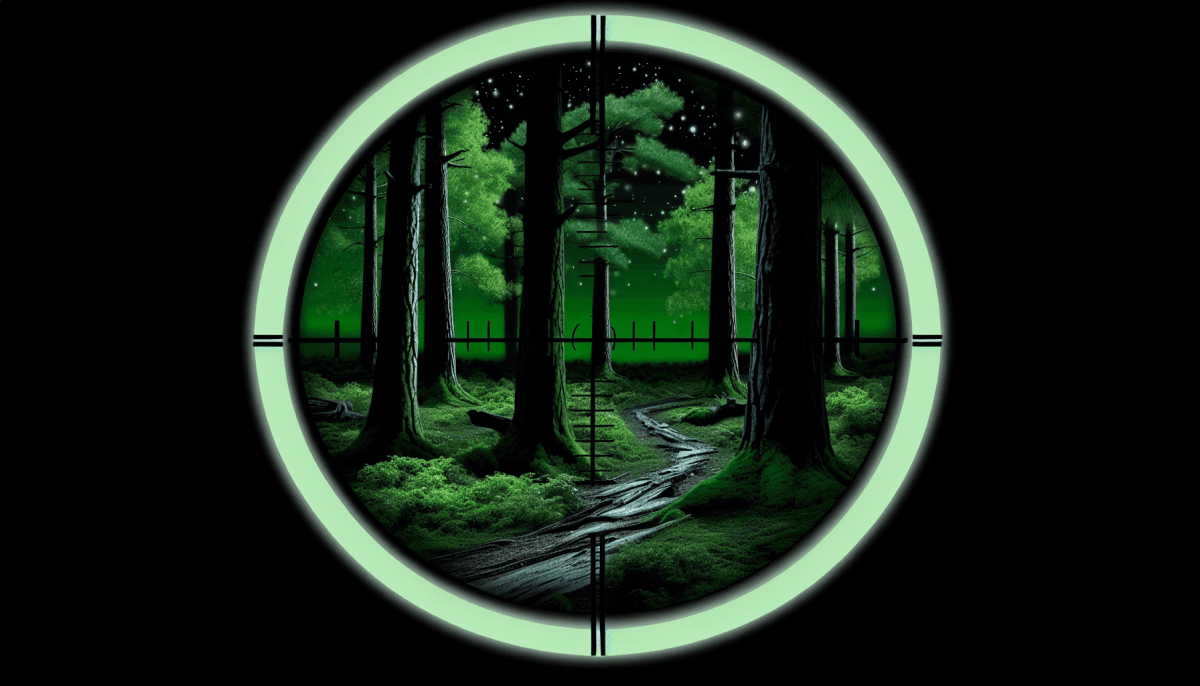
Night vision binoculars are innovative optical devices that enable users to see in low-light conditions or complete darkness. These powerful gadgets use various technologies to amplify available light and enhance visibility, making them essential tools for night-time surveillance, wildlife observation, hunting, and even stargazing. If you're new to the world of night vision binoculars, this article will provide you with a beginner's introduction to help you understand the basics of how they work and what to consider when buying your own pair.
Night vision binoculars work by capturing small amounts of visible light, such as moonlight or starlight, and amplifying it to create a brighter image. They incorporate an image intensifier tube, which is responsible for collecting and converting light into electrons. These electrons are then amplified and projected onto a phosphor screen, which produces a green-hued image that is viewable through the eyepieces. The green color is a result of the sensitivity of our eyes to different light wavelengths, making it easier for the human eye to interpret and distinguish objects in low-light conditions.
When purchasing night vision binoculars, it's important to consider several factors. First, you need to determine the generation of night vision technology you require. Generation 1 (Gen 1) is the most common and affordable, suitable for basic applications. Gen 2 provides enhanced performance with higher resolution and clearer images, while Gen 3 offers even better quality and increased sensitivity. Additionally, you should consider the magnification power, field of view, and the binoculars' ability to focus at various distances. Lastly, take into account aspects like durability, battery life, and whether they are waterproof, depending on your intended use.
Factors to Consider: Choosing the Right Night Vision Binoculars
Night vision binoculars are a valuable tool for a wide range of activities, including hunting, wildlife observation, security surveillance, and even stargazing. However, with so many different options available in the market, it can be challenging to choose the right pair that suits your specific needs. To make an informed decision, there are several key factors to consider.
1. Generation and Image Quality
The generation of night vision technology refers to the level of advancement and performance in a specific model. Currently, there are four generations available, with each subsequent generation offering better image quality, brightness, and clarity. As a general rule, higher generation devices provide superior performance but come with a higher price tag. Consider how you intend to use the binoculars and your budget before settling on a specific generation.
2. Magnification and Field of View
Magnification is an essential factor to consider when choosing night vision binoculars. It determines how close the object will appear in your field of view. While higher magnification may seem attractive, it often comes at the cost of a narrower field of view, which can be limiting, especially when tracking fast-moving objects or scanning large areas. Consider your specific use case and the trade-off between magnification and field of view to find the right balance.
3. Range and Sensitivity
The range and sensitivity of night vision binoculars dictate their effectiveness in different lighting conditions. Different models offer different ranges, which refer to the maximum distance at which you can clearly see objects. Sensitivity refers to the binoculars' ability to capture and amplify available light in low-light or dark environments. Consider where and when you plan to use the binoculars to ensure they have the necessary range and sensitivity for optimal performance in your intended environment.
Exploring Night Vision Technology: Gen1, Gen2, Gen3, and Beyond
Night vision binoculars have revolutionized the way we explore and observe the world in low-light conditions. They are indispensable tools for various activities, including wildlife observation, hunting, surveillance, and outdoor adventures. Understanding the different generations of night vision technology can greatly assist in making an informed decision when it comes to purchasing night vision binoculars.
Generation 1 (Gen1) Night Vision Binoculars: Gen1 technology was the first significant advancement in night vision, making it widely accessible to the masses. These binoculars utilize ambient light and amplify it several thousand times to produce a visible image. While Gen1 devices offer a considerable improvement over natural night viewing, their performance is limited in very low-light conditions, and the image quality may have some distortions or noise. Generation 2 (Gen2) Night Vision Binoculars: Gen2 devices represent a significant leap forward in night vision technology. They introduce an improved image intensifier tube that enhances the overall performance and image quality. With an extended range of detection and better resolution, Gen2 night vision binoculars provide clearer and more detailed images. These devices typically have a longer battery life and are ideal for individuals who require superior performance in low-light situations. Generation 3 (Gen3) and Beyond: Gen3 night vision binoculars are the most advanced and sophisticated available in the market today. These devices utilize the latest image intensifier tube technology, resulting in exceptional image resolution, clarity, and brightness. With significantly reduced noise levels and an extended range of detection, Gen3 binoculars outperform their predecessors in nearly all categories. Additionally, they usually have the longest lifespan and can withstand tough environmental conditions.Enhancing Your Experience: Accessories to Complement Night Vision Binoculars
Night vision binoculars are a fantastic tool for enhancing your nighttime outdoor experiences. However, to truly optimize your nocturnal adventures, there are several accessories that can complement your night vision binoculars and take your experiences to the next level.
One essential accessory to consider is a head mount. This simple and convenient device allows you to attach your night vision binoculars to your head, freeing up your hands while observing the night sky or exploring the wilderness in the dark. With a head mount, you can easily adjust the angle and direction of your binoculars, providing a more comfortable and hands-free viewing experience.
Another accessory worth considering is a tripod or monopod. These devices provide stability and eliminate hand tremors, ensuring steady and precise observation. They are especially useful when observing distant objects or spending longer periods scanning the landscape. A tripod or monopod will reduce fatigue and allow you to focus on the incredible details the night vision binoculars reveal.
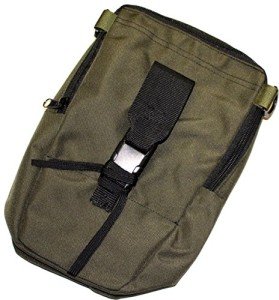
Additionally, investing in a reliable carrying case or bag is vital to protect your night vision binoculars when not in use. These cases often come with customizable compartments that can hold your binoculars, accessories, spare batteries, and cleaning tools. A well-designed case will provide both protection and organization, making it easier for you to store and transport your binoculars safely.